 NYE

Choose San Francisco hotels around the evening you book, comparing Union Square with Fisherman’s Wharf only after you map the final destination. Transit access is a useful criterion, but a station reference is not proof of the service you need at the end of the night. Check the route and room terms together.
New Year's Eve hotels in San Francisco are worth comparing as a complete stay: the exact room, the written conditions and the journeys your chosen address creates. Make the final venue the reference when an easy return is the priority.
Which San Francisco areas fit the evening you have chosen?
SFMTA identifies Union Square/Market Street Station at 200 Geary Street and describes its connection with Powell Street Station. Its Fisherman’s Wharf place page gives Pier 39 as an address reference and lists Muni services. San Francisco Municipal Transportation Agency (SFMTA, transit, streets, taxi) | SFMTA Union Square/Market Street Station | SFMTA Fisherman's Wharf | SFMTA
Union Square/Market Street Station provides a concrete central-city transit reference, with the Powell Street connection described by SFMTA. Fisherman’s Wharf provides a different visitor-area anchor. Use the station or destination you actually need rather than assuming all San Francisco hotel addresses suit the same route.
If the evening is near Union Square, compare the walk from the venue to each hotel entrance. If the last stop is at the Wharf, test that return before buying a room elsewhere for sightseeing convenience. Ask about the precise room-view category and accessibility of the complete route, including the street segment beyond a station.
How do the San Francisco search options change the booking decision?
| Search reference | When to put it first | Tradeoff to test |
|---|---|---|
| Union Square | The confirmed evening is central and the specific hotel serves the actual venue route. | Check service and the full street approach before relying on the station connection. A nearby transit reference does not promise the required holiday return. |
| Fisherman’s Wharf | The fixed destination or visitor setting makes the Wharf the overnight priority. | Compare the central-city transfer and written room-view category. Pier 39 is an area reference, not evidence of a hotel view or package. |
| Near the final venue | A confirmed event elsewhere is the strongest constraint and another address reduces its return. | Assess the complete approach for accessibility and a backup. Place the Union Square or Wharf outing earlier if that better serves the fixed evening. |
How should you compare flexibility with the complete stay price?
Put each candidate on the same dates, occupancy and room type before comparing prices. Then read the total for the entire stay rather than assuming the first displayed nightly figure is the amount you will pay. Check which charges are compulsory and which services you have deliberately selected.
Compare the change and cancellation conditions with the certainty of your evening. If dinner or event arrangements are still tentative, decide whether a less flexible purchase leaves you with a risk you actually accept. Read the deadline, applicable time zone and contact process; do not infer the terms from a short rate label.
Keep transport, parking, meals and admission separate unless the written reservation names them as inclusions. Ask what happens if your arrival changes or the evening plan moves. Save the confirmation and the hotel entrance instructions together, so a location advantage does not conceal a contract that is unsuitable for the trip you are planning.
How can you organize the San Francisco reservations into one workable route?
For a central-city dinner and a daytime Wharf visit, a Union Square-area hotel may serve a different priority from a Wharf-area property. Compare both complete itineraries with the booked room type held constant. Choose the setting you will use most and verify the journey to the other part of the visit.
Consult SFMTA’s current information for the specific route and travel dates. The Union Square station and Fisherman’s Wharf pages identify locations and service references, not holiday promises. Check the final departure and a second return option if the evening ends outside the service you confirm.
What do travelers ask about New Year's Eve hotels in San Francisco?
Should I choose Union Square or Fisherman’s Wharf for a San Francisco hotel?
Choose around the evening you have booked. A Union Square-centered dinner and a Wharf-centered final venue create different address benefits. SFMTA provides station and place references for those areas, but they do not rank the hotel choices. Compare the actual guest entrances, room categories and complete final journeys. A daytime visit to the other area can remain in the trip without necessarily determining where you sleep.
What does the Union Square/Market Street Station connection leave to check?
SFMTA describes its connection with Powell Street Station, which is useful for orienting a transit-based plan. You still need the route, direction, travel-date timetable and street segment to the hotel. A station connection is not a holiday service promise. If the evening ends elsewhere, compare that final journey too, and keep a second arrangement when the service you can confirm does not fit the planned finish.
Does a Fisherman’s Wharf address establish a particular room view?
The visitor-area address and the room’s written view category are separate details. Ask the property what the booked category actually provides, then compare that benefit with the trip to your evening venue. SFMTA’s Pier 39 place reference helps orient the area but does not establish a hotel view or package. Choose the upgrade only after understanding the room description and the route created by that address.
How can I compare San Francisco rooms when accessibility affects the route?
Assess the complete approach from the final venue or station to the guest entrance, rather than only the distance to a transit reference. Ask the hotel about the booked room and access you need. Compare Union Square and Wharf options on those actual routes, including any necessary vehicle alternative. A district’s visitor appeal should not hide a street or entrance segment that changes whether the itinerary works for the traveler.
Where should I verify San Francisco location and travel information before paying?
Use the sources for the question each one actually answers:
- San Francisco Municipal Transportation Agency (SFMTA, transit, streets, taxi) | SFMTA is the official transport or transit source for the referenced information.
- Union Square/Market Street Station | SFMTA is the official transport or transit source for the referenced information.
- Fisherman's Wharf | SFMTA is the official transport or transit source for the referenced information.
Match the relevant location or route to your own hotel and reservation addresses. Area descriptions establish destinations; they do not confirm a hotel room, table or celebration. Check the selected property’s exact room category and terms directly, then check the venue for the date and admission you want. Keep those confirmations with the route so a district choice follows the itinerary you have actually settled.
Where can you compare the rest of your San Francisco evening?
Use the San Francisco city guide to orient the wider visit. For the next decision, read Family-Friendly New Year's Eve in San Francisco, New Year's Eve in San Francisco for Couples and San Francisco New Year's Eve Events: Complete Guide. Choose the evening you want, confirm its actual address, then return to the hotel shortlist with the final journey and written room terms in view.
WHERE TO STAY
Hotels in San Francisco
Explore hotels in San Francisco for your New Year's Eve stay.
 Property photo unavailable
YOTEL San Francisco, Select by Hilton
 Property photo unavailable
Timbri Hotel San Francisco, Curio Collection by Hilton
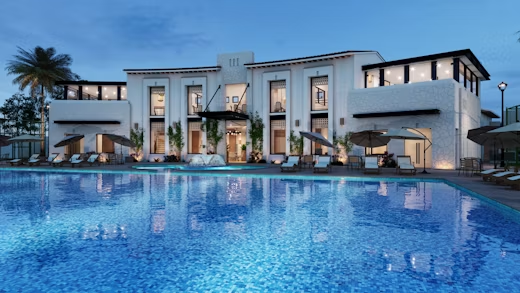 Property photo unavailable
Hampton Inn San Francisco Downtown/Convention Center
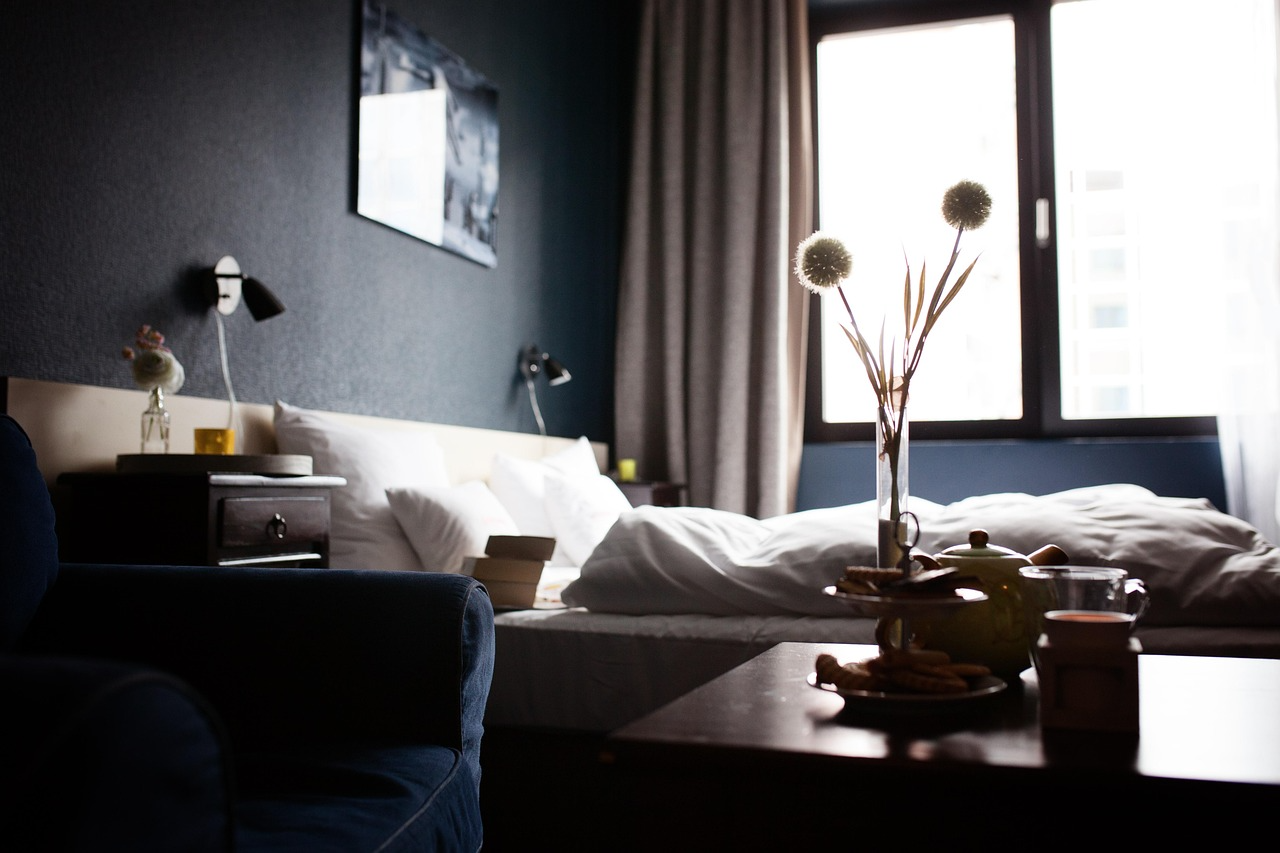 Property photo unavailable